


Page 156 - SREENARAYANAGURU OPEN UNIVERSITY
P. 156
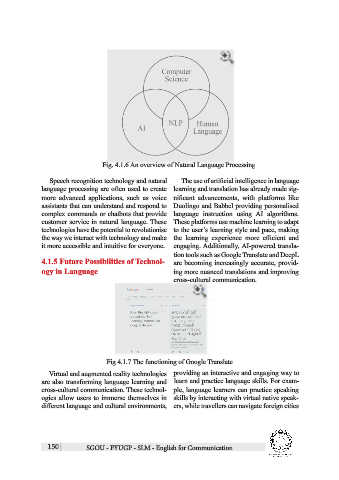
Fig. 4.1.6 An overview of Natural Language Processing


                  Speech recognition technology and natural     The use of artificial intelligence in language
               language processing are often used to create  learning and translation has already made sig-
               more  advanced  applications,  such  as  voice  nificant  advancements,  with  platforms  like
               assistants that can understand and respond to  Duolingo and Babbel providing personalised
               complex commands or chatbots that provide  language  instruction  using  AI  algorithms.
               customer service in natural language. These  These platforms use machine learning to adapt
               technologies have the potential to revolutionise  to the user’s learning style and pace, making
               the way we interact with technology and make  the  learning  experience  more  efficient  and
               it more accessible and intuitive for everyone.  engaging. Additionally, AI-powered transla-
                                                              tion tools such as Google Translate and DeepL
               4�1�5 Future Possibilities of Technol-         are becoming increasingly accurate, provid-
               ogy in Language                                ing more nuanced translations and improving
                                                              cross-cultural communication.


                                      Fig 4.1.7 The functioning of Google Translate

                  Virtual and augmented reality technologies  providing an interactive and engaging way to
               are also transforming language learning and  learn and practice language skills. For exam-
               cross-cultural communication. These technol-   ple, language learners can practice speaking
               ogies allow users to immerse themselves in  skills by interacting with virtual native speak-
               different language and cultural environments,  ers, while travellers can navigate foreign cities


                 150           SGOU - FYUGP - SLM - English for Communication

